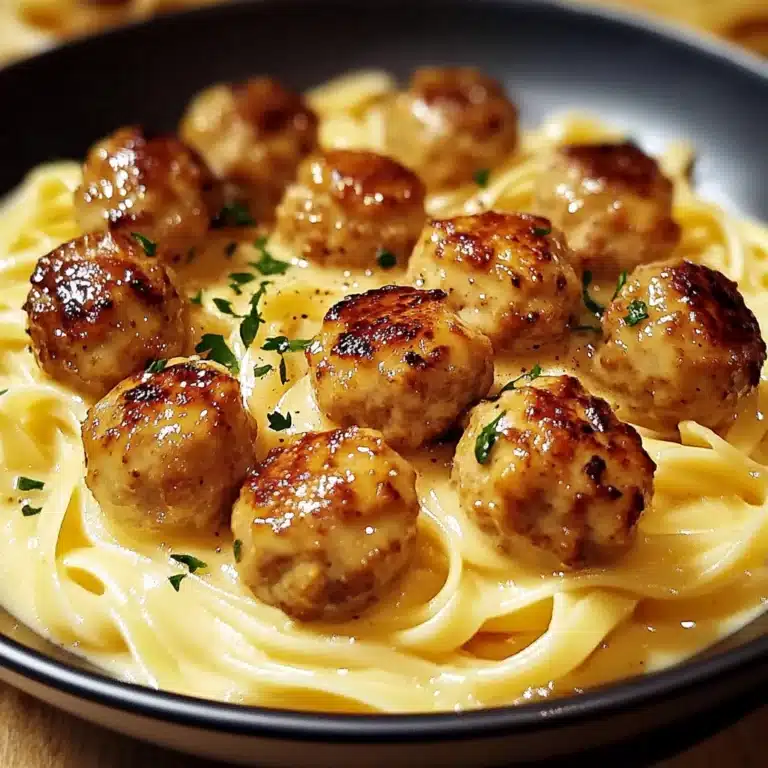
If you’ve ever craved the ultimate crispy, juicy, and flavor-packed fried chicken, then this Karaage (Japanese Fried Chicken) Recipe is about to become your new obsession. This dish captures everything that’s so irresistible about Japanese street food: tender chicken marinated to perfection, coated in a delicate, crisp crust, and fried to a mouthwatering golden brown. Whether you’re making it for a casual weeknight dinner or impressing friends at your next gathering, karaage is comfort food that feels special, fresh, and totally addictive. Let me walk you through the simple ingredients and easy steps so you can enjoy authentic Japanese fried chicken right at home.
Ingredients You’ll Need

The magic of this Karaage (Japanese Fried Chicken) Recipe lies in its straightforward yet crucial ingredients. Each one plays a big role in building the perfect crunchy crust, juicy interior, and the umami-rich flavor you’ll crave time and again.
- Chicken thigh (350-400 g): Preferably skin-on for maximum juiciness and crispiness.
- Water (1 cup/250 ml): For brining to keep the chicken tender and flavorful.
- Salt (1 1/2 tbsp/20 g): Essential for seasoning and enhancing natural flavors.
- Sugar (1 1/2 tbsp/20 g or 2 tsp): Balances saltiness and helps with browning.
- Kewpie mayonnaise (1 tbsp/15 g, optional): Adds richness and a subtle tang in the marinade.
- Sake (2 tbsp/30 ml): Adds umami and tenderizes the meat.
- Japanese light soy sauce (2-3 tbsp): For that signature savory depth.
- Garlic clove (1, minced): Infuses aromatic warmth.
- Ginger juice (1 tsp/5 ml): Gives a bright, fresh zing.
- Allspice, nutmeg, or garam masala (1/8 tsp): A hint of exotic spice complexity.
- MSG (1/2 tsp, optional): Enhances umami for more savory punch.
- Cake flour or potato starch (2 tbsp): Soaks up moisture for a flawless crisp crust.
- Starch or flour (1/2 cup): I love a blend of rice flour and cornstarch for that perfect crunch.
- Neutral oil (2-4 cups): For frying at just the right temperature.
- Lemons: Freshly squeezed for serving to brighten every bite.
- Shichimi togarashi: Japanese seven-spice to add an exciting kick.
- Japanese mayonnaise: Creamy and tangy, perfect for dipping.
How to Make Karaage (Japanese Fried Chicken) Recipe
Step 1: Prepare the Chicken
Start by deboning the chicken thighs if needed and trimming any extra fat. Cut the chicken into bite-sized pieces about 2 inches each—this size cooks evenly and stays juicy inside. Brining the chicken in a simple mixture of water, salt, and sugar for one hour at room temperature is a game changer: it locks in moisture and enhances flavor deeply. If it’s really warm where you are, swap in cold water to keep everything safe and fresh.
Step 2: Marinate with Flavor
Pat the chicken dry if you brined it, then combine kewpie mayo, sake, soy sauce, garlic, ginger, MSG, and your chosen spice in a bowl. Adding cake flour here helps create a sturdy base for the coating. Let the chicken luxuriate in this marinade for about 15 minutes; this step infuses it with that unmistakable mouthwatering karaage flavor that you’ll want to savor.
Step 3: Coat for Crunch
Mix your starch or flour blend thoroughly, using about half rice flour and half cornstarch if you can. Gently stretch the leftover chicken skin around the meat to form a neat ball, then roll each piece in the starch mixture so every nook is covered. Set them on a tray and rest for 5 minutes—this little pause lets the coating adhere perfectly. A quick spritz of water works too if you’re short on time.
Step 4: Fry to Golden Perfection
Heat your oil in a deep pan to roughly 160-170 degrees Celsius (320-338 degrees Fahrenheit). Fry the chicken pieces over medium heat for about 3 minutes total, flipping halfway, until their internal temperature reaches 70-75 degrees Celsius (160-165 degrees Fahrenheit). Let the chicken rest for 3 minutes to finish cooking gently. Then crank the heat up to 180-200 degrees Celsius (360-400 degrees Fahrenheit) and immerse the chicken once again for a final 2-minute fry to achieve that iconic golden crunch everyone loves. Smaller pieces need slightly less frying time, around 4-5 minutes at 180 degrees Celsius.
How to Serve Karaage (Japanese Fried Chicken) Recipe

Garnishes
Fresh lemon wedges are key—they cut through the crispy richness beautifully and brighten the flavor. Sprinkle shichimi togarashi liberally to introduce a playful heat and aromatic lift. And let’s not forget a dollop of Japanese mayo, with its silky, slightly sweet essence that pairs like a dream with the fried chicken.
Side Dishes
Karaage loves company. A crisp shredded cabbage salad tossed lightly with vinegar is traditional and refreshing. You can also serve it alongside simple steamed rice, miso soup, or even Japanese pickles for a balanced, satisfying meal that covers all the textures and tastes.
Creative Ways to Present
Think beyond the plate: serve karaage in cute bento boxes for a visually delightful lunch, or stack the fried pieces atop a fresh green salad drizzled with sesame dressing for a light yet crunchy meal. You could even make karaage sliders using soft buns and favorite fixings, turning this classic into a fun finger food for parties.
Make Ahead and Storage
Storing Leftovers
Leftover karaage keeps well in an airtight container in the refrigerator for up to 2 days. Keep the chicken pieces separated as much as possible to maintain their crispy texture as much as you can.
Freezing
If you want to store karaage for longer, freeze it in single-layer trays first and then transfer to a freezer bag once solid. This prevents the pieces from sticking together and preserves their crispy coating.
Reheating
To revive that perfect crunch, reheat karaage in a preheated oven or toaster oven at 180 degrees Celsius (350 degrees Fahrenheit) for about 10 minutes. Avoid microwaving if you want to preserve texture, but if necessary, do a few short bursts followed by some pan-frying to regain crispness.
FAQs
Can I use chicken breast instead of thighs for this Karaage (Japanese Fried Chicken) Recipe?
You can, but chicken thighs have more fat and connective tissue that keep the meat juicy and tender. Breast tends to dry out faster, so if you use breast, be careful not to over-marinate or over-fry.
What is the best starch for coating karaage?
Many people use potato or cake flour, but a combination of rice flour and cornstarch gives an especially light and crispy texture, which is ideal for authentic karaage.
Is it necessary to double fry the chicken?
Double frying creates a crispier and longer-lasting crust, especially for larger pieces, but smaller ones can be cooked well with just one fry at a moderate temperature.
Can I prepare karaage marinade in advance?
Yes! The marinade can be made ahead of time and stored in the fridge. However, marinate the chicken for no more than 30 minutes to avoid a mushy texture.
What’s a traditional dipping sauce for karaage?
Japanese mayonnaise is classic, but you can also serve it with ponzu, a citrus soy sauce, or simply add a squeeze of fresh lemon juice for vibrant contrast.
Final Thoughts
This Karaage (Japanese Fried Chicken) Recipe is a total crowd-pleaser that’s surprisingly simple to make at home. With its beautifully balanced flavors and show-stopping crunch, it’s an unbeatable addition to any meal or party spread. Give it a try—you might just find yourself making karaage again and again, sharing the joy of this delicious Japanese dish with everyone you love.
PrintKaraage (Japanese Fried Chicken) Recipe

Karaage is a popular Japanese fried chicken dish featuring marinated bite-sized chicken thigh pieces, double-fried to a crispy golden perfection. The chicken is first brined, then marinated in a flavorful blend of sake, soy sauce, garlic, ginger, and spices before being coated in a starch mixture for an irresistible crunchy texture. Served with lemon, Japanese mayonnaise, and shichimi togarashi, this dish is perfect as a snack or meal.
- Prep Time: 20 minutes (plus 1 hour brining)
- Cook Time: 15 minutes
- Total Time: 1 hour 35 minutes
- Yield: 2 servings
- Category: Appetizer, Snack, Main Dish
- Method: Frying
- Cuisine: Japanese
Ingredients
Chicken
- 350–400 g chicken thigh, preferably skin on
Brine
- 1 cup (250 ml) water
- 1 1/2 tbsp (20 g) salt
- 1 1/2 tbsp (20 g) sugar (or 2 tsp sugar if massaging chicken instead)
Marinade
- 1 tbsp (15 g) Kewpie mayonnaise (optional)
- 2 tbsp (30 ml) sake
- 2–3 tbsp Japanese light soy sauce
- 1 garlic clove, minced
- 1 tsp (5 ml) ginger juice
- 1/8 tsp allspice, nutmeg or garam masala (optional)
- 1/2 tsp MSG (optional)
- 2 tbsp cake flour or potato starch
Coating
- 1/2 cup starch or flour of choice or combination (e.g., 1:1 rice flour and corn starch)
For Frying and Serving
- 2–4 cups neutral oil (vegetable or canola), for frying
- Lemons, for serving
- Shichimi togarashi (Japanese seven-spice), for serving
- Japanese mayonnaise, for serving
Instructions
- Prepare the Chicken: If using bone-in chicken thighs, debone them and trim excess fat. Cut the thighs into bite-sized pieces about 2 inches each.
- Brine the Chicken: In a bowl, combine water, salt, and sugar. Place chicken pieces in the brine and let them rest for 1 hour at room temperature. If ambient temperature is above 30°C, use very cold water to keep safe.
- Alternative Sugar Massage: If skipping the brine, massage the chicken with sugar thoroughly before moving to the marinade step.
- Marinate the Chicken: Drain and pat dry the chicken pieces if brined. In a bowl, mix Kewpie mayonnaise (optional), sake, soy sauce, minced garlic, ginger juice, MSG, and allspice/nutmeg. Whisk in cake flour or potato starch. Add the chicken and marinate for 15 minutes at room temperature.
- Prepare the Coating: In a separate bowl, combine starch or flour for coating. A common mix is 1:1 rice flour and corn starch.
- Coat the Chicken: Stretch the chicken skin around the meat to form a ball-shaped piece. Coat each piece well in the starch/flour mixture. Place coated pieces on a tray and rest for 5 minutes to allow the coating to moisten. If short on time, lightly spray with water.
- Heat the Oil: Pour oil into a deep pan to a depth of about 3.5 cm. Heat over medium-high until oil temperature reaches 160-170°C (320-338°F). Then reduce heat to medium.
- First Fry: Fry chicken pieces in the oil for 1 minute. Flip and fry for another 2 minutes or until the internal temperature of chicken reaches 70-75°C (160-165°F). Remove and let rest for 3 minutes to finish cooking with residual heat.
- Second Fry: Increase oil temperature to 180-200°C (360-400°F). Fry chicken again for about 2 minutes until golden brown and crispy. For smaller pieces under 30 g, fry only once at 180°C for 4-5 minutes.
- Drain and Rest: Place chicken on a wire rack to drain excess oil and rest briefly before serving.
- Serve: Plate the karaage with optional shredded cabbage or salad. Serve with lemon wedges, Japanese mayonnaise, and shichimi togarashi. Enjoy warm!
Notes
- Double frying ensures extra crispiness without overcooking the meat.
- Brining chicken improves juiciness and flavor penetration.
- Stretching chicken skin around the meat helps retain moisture and create a crisp texture.
- Adjust salt and sugar levels in marinade to taste, especially if you omit the brine step.
- Using a thermometer to monitor oil temperature is key for perfect frying results.
- MSG is optional but enhances umami flavor in the marinade.