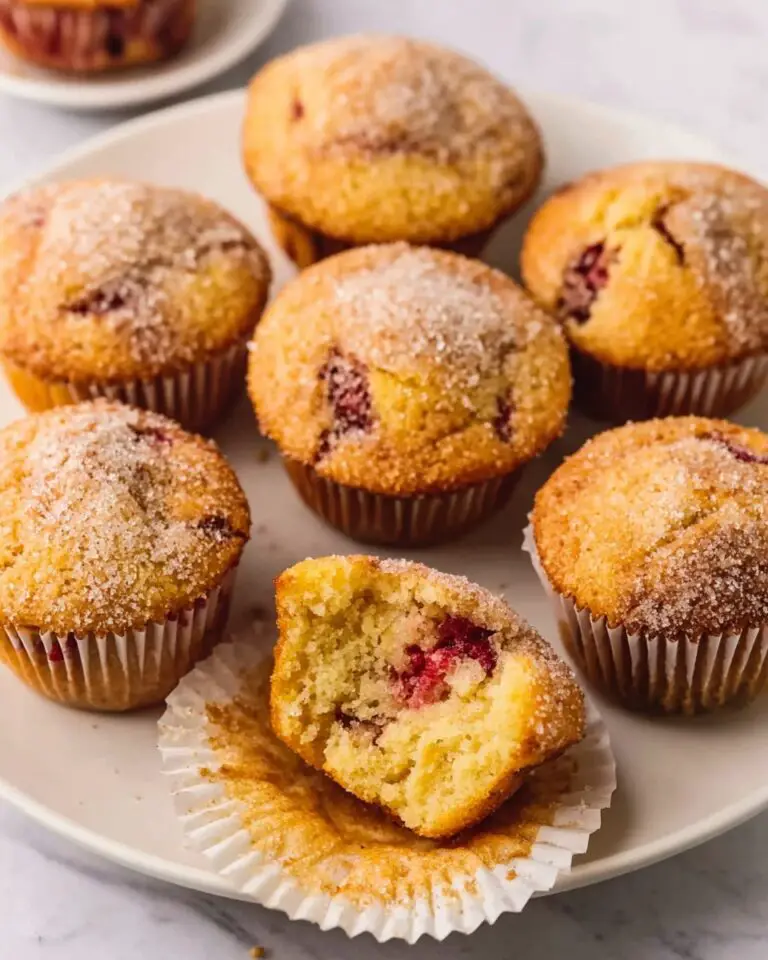
If you’ve ever wanted to bring a warm, fluffy slice of traditional Turkish bread to your table without firing up the oven, you’re in for a delightful treat. This No-Oven Turkish Bread with 3 Ingredients (Bazlama) Recipe is a simple, rustic wonder that turns everyday pantry staples into golden rounds of bread, lightly crisped and soft inside. With its pillowy texture and slightly tangy flavor, Bazlama is perfect for dipping, wrapping, or simply enjoying with a smear of butter. Trust me, once you try this easy skillet bread, it might just become your go-to comfort carb for busy days and special moments alike.
Ingredients You’ll Need

What makes this No-Oven Turkish Bread with 3 Ingredients (Bazlama) Recipe so irresistible is how few ingredients go into it—all of which play a crucial role in creating that signature airy yet chewy texture. Each component is carefully chosen to bring out the best in your bread, from the soft crumb to a subtly sweet aroma.
- Bread flour or all-purpose flour: The foundation of your dough, providing structure and that tender chew.
- Warm milk: Adds richness and helps tenderize the crumb for a soft bite.
- Warm water: Activates the yeast and balances the hydration of your dough.
- Instant dry yeast: Your bread’s lift source, turning simple dough into fluffy rounds.
- Sugar: Feeds the yeast and gives just a hint of sweetness to the crust.
- Salt: Enhances flavor and controls yeast activity for perfect texture.
- Melted unsalted butter or olive oil: Brushed on top to add richness and a beautifully soft crust.
- Chopped parsley (optional): A fresh touch that adds a pop of green and mild herbaceous notes.
How to Make No-Oven Turkish Bread with 3 Ingredients (Bazlama) Recipe
Step 1: Activate the Yeast
Begin by combining the warm milk, warm water, sugar, and instant dry yeast in a container. Stir this mixture gently to dissolve the sugar and evenly distribute the yeast. Let it sit until it blossoms with bubbles and foam, signaling that your yeast is alive and ready to make magic.
Step 2: Mix and Knead the Dough
Next, add your flour and salt to the yeast mixture. Mix everything together until it forms a rough dough, then knead by hand. This hands-on step is important—kneading until the dough is smooth and no longer sticky ensures a beautiful texture and helps develop the gluten that gives Bazlama its perfect chewiness.
Step 3: First Rise
Once your dough is smooth, cover it and let it proof in a warm spot. Patience here is key: give it about an hour to double in size. This rise is what builds the airy structure inside your bread and brings that delightful lightness with every bite.
Step 4: Shape the Bread Rounds
After that lovely rise, divide your dough into six equal pieces. Shape each piece into a round ball, then flatten them gently with a rolling pin until they are about 18 centimeters wide and around 5 millimeters thick. Keep them covered with a plastic sheet or a clean towel to avoid drying out before cooking.
Step 5: Cook on the Stovetop
Heat a thick-bottomed pan over medium heat—this is crucial for even cooking. Place each dough round into the hot pan. As you cook, watch for bubbles forming on the surface; that’s a sign to flip them over. When they puff up like little balloons, reduce the heat to low and cover the pan with a cloth to trap moisture, allowing the bread to cook through without drying.
Step 6: Finish with Butter or Olive Oil
Once cooked, remove your golden rounds from the pan and brush the tops with a bit of melted unsalted butter or olive oil. This step adds irresistible shine and extra softness, not to mention a delicious aroma that will have everyone rushing to the table.
How to Serve No-Oven Turkish Bread with 3 Ingredients (Bazlama) Recipe

Garnishes
While Bazlama tastes fantastic on its own, topping it with a sprinkle of chopped parsley adds a fresh, vibrant contrast that brightens both flavor and appearance. You can also experiment with sesame seeds or nigella seeds for a more traditional look and extra nuttiness.
Side Dishes
This bread is a star companion to many dishes. Think creamy hummus, savory feta cheese, or hearty stews and soups. The soft, warm texture of Bazlama makes it perfect for soaking up flavorful sauces or scooping up dips for a delightful meal experience.
Creative Ways to Present
Get playful by slicing your No-Oven Turkish Bread into wedges and serving it with a delicious spread bar featuring labneh, olive tapenade, roasted peppers, or even simple garlic butter. For a heartier meal, fold the bread around grilled meats or vegetables to create satisfying wraps loaded with layers of flavor.
Make Ahead and Storage
Storing Leftovers
If you have any leftovers, store them wrapped in an airtight container or sealed plastic bag at room temperature. This keeps the bread soft and fresh for up to two days, making it easy to enjoy the next day without sacrificing texture.
Freezing
For longer storage, freeze your cooked Bazlama in a freezer-safe bag or container. Make sure to separate each piece with parchment paper to prevent sticking. Frozen Bazlama can last up to a month and thaw quickly when you want a quick snack.
Reheating
To bring your bread back to life, warm it gently in a hot pan for a few minutes on each side or toast it lightly. Covering it while warming helps retain moisture, restoring that signature softness and bringing out the lovely aromas.
FAQs
Can I make Bazlama without milk?
Absolutely! You can replace milk with warm water if needed. Milk enriches the dough and tenderizes the crumb, but using water will still give you lovely bread, just slightly less rich and tender.
Do I really need a thick pan?
Yes, a thick-bottomed pan distributes heat evenly, which helps the bread cook through properly and rise nicely. Thin pans can cause burning or uneven baking, affecting the texture.
How long does the dough need to rise?
About one hour is usually sufficient for the dough to double in size. This rise time can vary depending on the ambient temperature but is essential for fluffy, airy bread.
Can I add herbs or spices to the dough?
Definitely! Adding chopped herbs like parsley or thyme to the dough before kneading can infuse the bread with wonderful aromas and flavors, making it even more special.
Is this recipe suitable for beginners?
Yes, this No-Oven Turkish Bread with 3 Ingredients (Bazlama) Recipe is wonderfully beginner-friendly. The steps are straightforward, and the dough is forgiving, making it a great choice for first-time bread makers.
Final Thoughts
If you’re looking for an easy, satisfying way to enjoy homemade bread without the fuss of an oven, the No-Oven Turkish Bread with 3 Ingredients (Bazlama) Recipe has got your back. It’s simple, rewarding, and perfect for sharing with friends and family. Give it a try—you might just find a new favorite that brings a little warmth and happiness to your kitchen.
PrintNo-Oven Turkish Bread with 3 Ingredients (Bazlama) Recipe

This traditional Turkish flatbread, Bazlama, is made with just three main ingredients and requires no oven. Soft, fluffy, and slightly chewy, Bazlama is cooked on a stovetop pan, making it a quick and easy homemade bread perfect for any meal or snack.
- Prep Time: 20 minutes
- Cook Time: 25 minutes
- Total Time: 1 hour 45 minutes
- Yield: 6 pieces
- Category: Bread
- Method: Stovetop
- Cuisine: Turkish
Ingredients
Dry Ingredients
- 500 g Bread flour or all-purpose flour (about 4 cups)
- 10 g Instant dry yeast (1.5 tbsp)
- 10 g Sugar (1 tbsp)
- 8 g Salt (0.8 tbsp)
Wet Ingredients
- 160 ml Warm milk (2/3 cup)
- 160 ml Warm water (2/3 cup)
- 20 g Melted unsalted butter or olive oil
Garnish
- Chopped parsley (optional)
Instructions
- Activate Yeast: Pour warm milk, warm water, sugar, and instant dry yeast into a container. Mix well and let it sit for a few minutes until the yeast bubbles and activates.
- Make Dough: Add flour and salt to the yeast mixture. Mix thoroughly and knead the dough by hand until it becomes smooth and no longer sticky on the surface.
- Proof Dough: Cover the dough and leave it to proof in a warm place until it doubles in size, approximately 1 hour.
- Divide and Shape: Once risen, divide the dough into six equal pieces. Shape each piece into a round ball and cover with a plastic bag to rest briefly.
- Roll Out: Using a rolling pin, press each ball into a round shape about 18 cm in diameter and 5 mm thick.
- Heat Pan: Preheat a thick pan over medium heat on the stovetop.
- Cook Bread: Place a round dough on the hot pan and cook on one side. When lots of bubbles form, flip it to the other side.
- Adjust Heat and Cover: When the bread starts popping like a balloon, reduce the heat to low. Cover the pan or bread with a cloth to keep moisture in and prevent drying out.
- Repeat: Continue cooking until both sides are golden brown and the bread is cooked through.
- Finish and Serve: Brush the cooked bread with melted butter or olive oil, sprinkle with chopped parsley if desired, and serve warm.
Notes
- Use a thick pan for best results, as thin pans prevent the bread from rising properly.
- Brushing the bread with butter or olive oil after cooking enhances flavor and keeps it soft.
- Keep the cooked bread covered with a cloth to retain moisture until serving.
- Warm liquids help activate yeast effectively for better proofing.
- This bread is best enjoyed fresh but can be stored in an airtight container for up to 2 days.