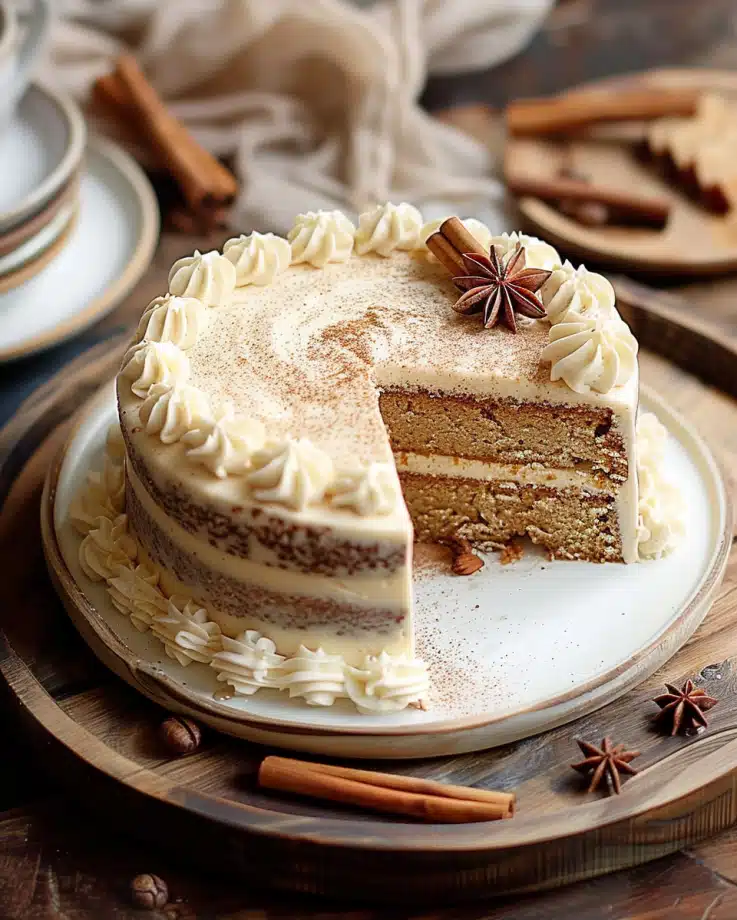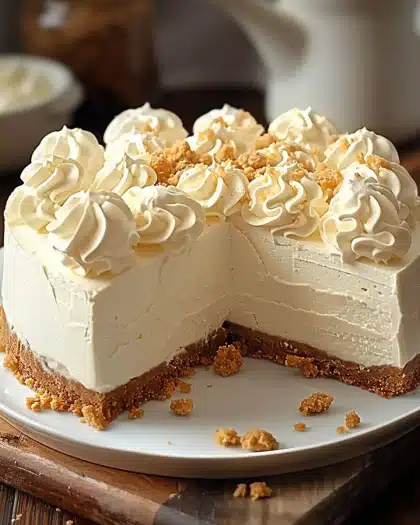
If you’ve been searching for a dessert that effortlessly blends creamy richness with that delightfully charred top, then this Loaf Pan Basque Cheesecake Recipe is the answer you’ve been waiting for. Combining the tang of fresh lemon zest and juice with the luxurious texture of cream cheese and thickened cream, this cheesecake is baked in a loaf pan for the perfect slice every time. Its caramelized golden surface hides a dreamy, custardy interior that’s equally divine whether served cool or at room temperature—making it a versatile treat you’ll want to share with everyone you know.
Ingredients You’ll Need

Getting started with this Loaf Pan Basque Cheesecake Recipe is surprisingly simple because all the ingredients are familiar pantry staples, yet each one plays a vital role in nailing that perfect texture and flavor balance.
- Extra butter for greasing: Ensures your cheesecake slips right out of the loaf pan without a hitch.
- 2 and 1/2 x 8 ounce (600g total) full fat cream cheese: The star ingredient that brings richness and that signature tangy creaminess.
- 1 cup (220g) white sugar: Sweetens the cheesecake and helps create a beautiful golden top.
- 4 large eggs (approx. 2 oz/55g each): Adds structure while keeping the texture smooth and custardy.
- 1 & 1/3 cups (335 mL) thickened cream: Puts the luscious creaminess into overdrive for that melt-in-your-mouth experience.
- 1 & 1/2 teaspoons vanilla: Lifts the flavors with a warm, sweet aroma that complements the tangy cheese.
- Zest from one small lemon: Offers a fresh, citrusy brightness that balances the richness perfectly.
- 3 teaspoons (15 mL) lemon juice: Adds a subtle zing to brighten the overall flavor profile.
- 3/4 teaspoon salt: Enhances every flavor, rounding out the sweetness and creaminess beautifully.
- 1 tablespoon and 1 teaspoon tapioca starch: Helps set the cheesecake to the ideal texture without heaviness.
How to Make Loaf Pan Basque Cheesecake Recipe
Step 1: Prepare Your Pan and Oven
Start by lightly greasing your loaf pan with extra butter—this little step ensures a smooth release after baking. Line the pan with parchment paper, making sure you leave about an inch of overhang on all sides. This acts as a handy handle when lifting the cheesecake out later. Before moving forward, double-check that your oven can accommodate the loaf pan comfortably, as space is key. Preheat your oven to 435°F (225°C, or 205°C fan-forced) and let it warm thoroughly for at least ten minutes to get that perfect baking temperature.
Step 2: Mix the Cheesecake Batter
In a mixing bowl, add the cream cheese and briefly mix just to soften it — no need for perfection here, just a little break down. Then, sprinkle in the sugar and mix on low speed until the sugar dissolves fully. One by one, add the eggs, making sure to mix well after each addition; this keeps the batter smooth and integrates air for a lighter texture. Now, add the freshly grated lemon zest, lemon juice, vanilla extract, salt, and thickened cream, mixing until everything becomes super smooth and luscious.
Step 3: Incorporate Tapioca Starch and Bake
Sift in the tapioca starch to avoid lumps and mix thoroughly until the batter achieves a silky consistency. Pour this magnificent batter into your prepared loaf pan and place it in the oven. Bake for 50 minutes, or until the top turns a deep golden brown — this caramelized crust is what makes this Loaf Pan Basque Cheesecake Recipe stand out! Once baked, allow it to cool to room temperature right in the pan before attempting to serve.
How to Serve Loaf Pan Basque Cheesecake Recipe

Garnishes
This cheesecake is stunning on its own, but a few thoughtful garnishes can elevate the experience further. Consider sprinkling a touch of powdered sugar for a delicate, sweet finish or fresh berries to add pops of color and tartness. A drizzle of honey or a spoonful of homemade fruit coulis can also enhance the creamy richness with sweet, fruity accents.
Side Dishes
While this cheesecake is the star, pairing it with light accompaniments makes it even more impressive. A simple bowl of mixed seasonal berries or a glass of sparkling wine are perfect subtle companions. If you prefer something more indulgent, a scoop of vanilla bean ice cream or a dollop of fresh whipped cream will add a luscious contrast to the cheesecake’s custard-like softness.
Creative Ways to Present
Think beyond plain slices! Serve the cheesecake with a mini palette knife, letting guests admire the perfectly browned crust and creamy interior. You could even layer thin slices between sheets of parchment paper for a fancy take-home treat or lay it atop a rustic wooden board surrounded by fresh flowers and fruits for a gorgeous dessert centerpiece. Presentation is all about making your Loaf Pan Basque Cheesecake Recipe feel like an event worth savoring.
Make Ahead and Storage
Storing Leftovers
After enjoying this cheesecake, you’ll want to keep any leftovers fresh and creamy. Store the Loaf Pan Basque Cheesecake Recipe covered tightly with plastic wrap or in an airtight container in the refrigerator. It will maintain its flavor and texture beautifully for up to 4 days, making it easy to enjoy a slice here and there without losing quality.
Freezing
If you’d like to keep a stash for longer, this cheesecake freezes well. Wrap it securely in layers of plastic wrap and then aluminum foil to avoid freezer burn. It can be frozen for up to 2 months without compromising on flavor or texture, allowing you to pull out a slice whenever a sweet craving hits.
Reheating
Because the Loaf Pan Basque Cheesecake Recipe tastes wonderful chilled or at room temperature, reheating is usually not necessary. However, if you prefer it slightly warmer, let it sit at room temperature for 20 to 30 minutes after removing it from the fridge. Avoid microwaving, which can change the texture and cause uneven heating.
FAQs
What makes this cheesecake “Basque” style?
The Basque style cheesecake is distinguished by its deeply caramelized, almost burnt-looking top and rustic appearance, while boasting an ultra creamy, custard-like interior. Unlike traditional cheesecakes, it is baked at a higher temperature to achieve that signature charred finish that intensifies the flavor.
Can I use a different pan instead of a loaf pan?
Absolutely! While this Loaf Pan Basque Cheesecake Recipe is designed for a loaf pan to get those perfectly rectangular slices, you can use a round springform pan or any oven-safe dish—but the baking time and texture will differ slightly, so keep an eye on it as it bakes.
Is tapioca starch necessary? Can I substitute it?
Tapioca starch is great for adding structure without heaviness in this recipe. If you can’t find tapioca starch, you can substitute with cornstarch in an equal amount, but expect a slightly different texture. The key is to sift it in to avoid lumps.
Can I make this cheesecake vegan or dairy-free?
This cheesecake relies on full-fat cream cheese and thickened cream for its texture and flavor, so making a vegan or dairy-free version would require special substitutes like vegan cream cheese and coconut cream. The texture and taste will differ, but with some experimentation, a delicious alternative is possible.
Why does the cheesecake have a burnt top?
The burnt, caramelized top is the hallmark of Basque cheesecake, creating a beautiful contrast to the creamy interior. This is achieved by baking the cheesecake at a high temperature which causes the sugars on the surface to caramelize and darken—don’t worry, it’s meant to look like that and tastes amazing!
Final Thoughts
I can’t recommend this Loaf Pan Basque Cheesecake Recipe enough if you want a dessert that’s as impressive as it is easy to make. Its blend of creamy, tangy, and caramelized flavors is bound to become a new favorite to bake and share with friends and family. So go ahead, grab your loaf pan and give this stunning cheesecake a whirl—it’s one slice you’ll be dreaming about long after the last crumb is gone!
Loaf Pan Basque Cheesecake Recipe

This Basque-style cheesecake baked in a loaf pan features a beautifully caramelized top and a creamy, airy interior. With a luscious blend of cream cheese, thickened cream, and a hint of lemon zest and juice, this cheesecake is both rich and refreshing. Perfect served at room temperature for a light texture or chilled for a denser feel, it’s a versatile dessert that pairs wonderfully with fruit compotes or sauces.
- Prep Time: 15 minutes
- Cook Time: 50 minutes
- Total Time: 1 hour 5 minutes
- Yield: 8 servings
- Category: Dessert
- Method: Baking
- Cuisine: Basque, Spanish
Ingredients
Cheesecake Batter
- 2 and 1/2 x 8 ounce (600g total) full fat cream cheese
- 1 cup (220g) white sugar
- 4 large eggs (approx. 2oz/55g each)
- 1 1/3 cups (335 ml) thickened cream
- 1 1/2 teaspoons vanilla extract
- Zest from one small lemon
- 3 teaspoons (15 ml) lemon juice
- 3/4 teaspoon salt
- 1 tablespoon and 1 teaspoon tapioca starch
Other
- Extra butter for greasing
- Parchment paper for lining the loaf pan
Instructions
- Prepare Pan: Lightly grease a loaf pan with butter, then line it with parchment paper, leaving about an inch of overhang on all sides. This helps in easy removal of the cheesecake after baking.
- Preheat Oven: Adjust your oven racks as needed to fit the loaf pan. Preheat the oven to 435°F (225°C/205°C fan-forced) for at least 10 minutes to ensure an even, hot baking environment.
- Prepare Lemon: Zest and juice one small lemon to incorporate fresh citrus notes into the cheesecake batter.
- Soften Cream Cheese: Place the cream cheese in a mixing bowl and mix briefly to soften it, which makes blending ingredients easier and smoother.
- Add Sugar: Add the white sugar to the cream cheese, mixing on low speed until the sugar fully dissolves to ensure a smooth texture.
- Incorporate Eggs: Add the eggs one at a time, mixing well after each addition to fully combine and create a creamy mixture.
- Add Flavorings and Cream: Mix in the lemon juice, lemon zest, vanilla extract, salt, and thickened cream until the batter is very smooth and homogenous.
- Add Starch: Sift the tapioca starch into the batter and mix thoroughly to avoid any lumps and to help set the cheesecake properly during baking.
- Fill Pan: Pour the smooth batter into the prepared, lined loaf pan, smoothing the top if needed.
- Bake: Bake for approximately 50 minutes, or until the top of the cheesecake turns a deep golden color, indicative of the Basque caramelized effect.
- Cool: Remove the cheesecake from the oven and allow it to cool to room temperature inside the tin. This helps it set perfectly before serving.
- Serve: Serve the cheesecake either at room temperature for a light and airy texture or chilled for a firmer, denser consistency. It pairs beautifully with fruit compotes, sauces, or coulis.
Notes
- Ensure the oven is fully preheated to achieve the characteristic caramelized top.
- Allow the cheesecake to cool completely in the pan before removing to avoid cracking.
- Using full-fat cream cheese enhances creaminess and texture.
- Adjust baking time if using a different pan size to avoid under- or over-baking.
- Tapioca starch can be substituted with cornstarch but may slightly alter texture.