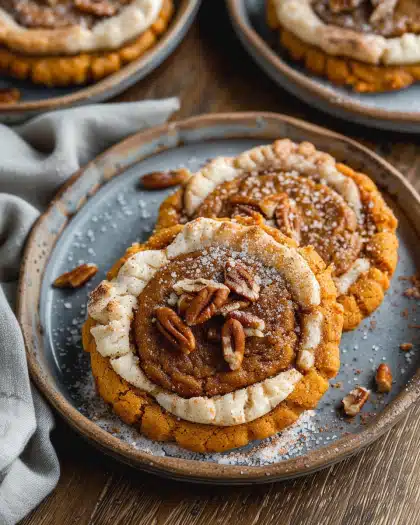
If you have ever wanted to experience the joy of fresh, warm bread right from your own kitchen, this Homemade English Muffin Recipe is your golden ticket. These muffins boast that perfect chewy texture with delightful nooks and crannies that catch all the butter and jam just right. Trust me, once you try making your own, the packaged varieties will feel a bit bland in comparison. The satisfaction of crafting these from scratch, with simple pantry ingredients, will make your breakfast extra special and downright unforgettable.
Ingredients You’ll Need

Making this recipe is wonderfully straightforward because each ingredient plays an essential role, from creating the perfect rise to delivering that tender crumb and rich flavor. You probably already have most of these in your kitchen, which makes this recipe an inviting project anytime.
- ½ cup warm water: Activates the yeast and helps form the dough’s structure.
- 2¼ tsp instant dry yeast or 1 envelope: The magic that makes your English muffins rise beautifully.
- 2 tbsp granulated sugar (or raw sugar): Feeds the yeast and adds subtle sweetness to balance the savory notes.
- 2¾ cups all-purpose flour: The foundation of the muffins, providing structure and chewiness.
- 1 tsp salt: Enhances flavor and controls yeast activity for perfect seasoning.
- ⅔ cup milk: Adds tenderness and helps create that lovely soft texture.
- 2 tbsp melted butter (salted or unsalted): Introduces richness and keeps the muffins moist.
- Cornmeal (optional): Prevents sticking and adds a subtle crunch to the bottom crust.
How to Make Homemade English Muffin Recipe
Step 1: Activate the Yeast
Start by mixing the warm water, yeast, and sugar in a large bowl. Letting this mixture sit for 3 to 4 minutes until it foams tells you the yeast is alive and well, ready to give your muffins delightful rise and fluffiness.
Step 2: Combine the Flour and Liquids
Gradually add the flour and salt to the yeast mixture, alternating with milk to create a soft dough. This careful mixing helps achieve the ideal texture that is both chewy and tender, so don’t rush through it.
Step 3: Incorporate the Butter
Add the melted butter once the flour is almost completely mixed in. Make sure the butter has cooled off to protect your yeast’s delicate growth. This step enriches the dough and ensures a soft crumb in every bite.
Step 4: Knead the Dough
Mix the dough into a ball using a spoon, Danish whisk, or your hands since the dough is quite thick. Avoid regular whisks or hand mixers to keep the structure intact—your hands work best here.
Step 5: First Rise
Cover the dough with plastic wrap and set it in a warm, draft-free spot to rise for 60 to 90 minutes. You’ll know it’s ready when it’s nearly doubled in size, fluffy, and full of promise.
Step 6: Shape the Muffins
On a lightly floured surface, roll the dough to about half an inch thick. Using a 3-inch round cutter, cut out 8 circles. To keep the airiness, gently lift and “relax” the dough between cuts, then place the rounds on a cookie sheet sprinkled with cornmeal to prevent sticking.
Step 7: Second Rise
Cover the dough rounds with a towel and let them rise again for about 45 minutes. This final proof gives those trademark air pockets that make an English muffin so delightful.
Step 8: Cook the Muffins
Heat a non-stick or cast iron skillet with a lid on medium. Cook 3 or 4 muffins at once, covered, for 5 minutes on one side, then flip and cook another 4 to 5 minutes. The cover traps steam, ensuring gentle cooking and a perfect crust without burning.
Step 9: Cool and Enjoy
Once done, the internal temperature should reach 190°F. Let the muffins cool on a rack so steam escapes properly, keeping them from becoming soggy. Now, the best part—you get to enjoy your fresh, homemade treasures!
How to Serve Homemade English Muffin Recipe

Garnishes
The beauty of Homemade English Muffin Recipe is how effortlessly it pairs with a variety of toppings. A generous spread of butter melting into all those nooks is divine. Add honey, fruit preserves, or cream cheese for a delightful sweetness. For savory options, try scrambled eggs, smoked salmon, or avocado slices sprinkled with sea salt.
Side Dishes
Pairing your muffins with fresh fruit or a light salad brings balance and freshness to your meal. If you’re serving breakfast or brunch, crispy bacon, a fluffy omelette, or hash browns make for hearty companions that leave everyone satisfied.
Creative Ways to Present
Think beyond the classic. Slice your English muffins open, toast them to golden perfection, then layer with your favorite sandwich fillings for a mouthwatering creation. Mini pizzas on English muffins are a hit with kids and adults alike, turning breakfast into a fun experience. You can even make mini eggs Benedict using these muffins as your base for an elegant brunch touch.
Make Ahead and Storage
Storing Leftovers
Leftover muffins keep well in an airtight container at room temperature for 2 to 3 days. This helps preserve their texture and flavor without drying out, so you can enjoy them fresh as a snack or breakfast the next day.
Freezing
Wrap muffins individually or in batches tightly with plastic wrap and aluminum foil, then freeze for up to 3 months. This is perfect for having your favorite Homemade English Muffin Recipe ready whenever you want with minimal effort.
Reheating
Thaw frozen muffins at room temperature, then lightly toast or warm them in a skillet or oven. This refreshes the texture, bringing back that delightful crispy exterior and soft inside, almost as good as fresh from the pan.
FAQs
Can I use active dry yeast instead of instant yeast?
Yes, you can substitute active dry yeast, but you’ll want to proof it in the warm water and sugar mixture for about 5 to 10 minutes until bubbly before proceeding, since it activates differently than instant yeast.
Why do English muffins have those distinctive nooks and crannies?
Those nooks form because of the dough’s rising process and cooking method, which traps steam and creates air pockets. This texture is what makes English muffins fantastic at holding melted butter or spreads.
Is cornmeal necessary for this recipe?
Cornmeal isn’t mandatory but highly recommended. It keeps the muffins from sticking during the second rise and adds a subtle crunchy texture to the bottom crust, enhancing your muffin experience.
Can I make this recipe dairy-free?
Absolutely! Substitute the milk with any plant-based milk like almond or oat milk, and swap butter for a plant-based alternative. Just make sure these substitutes are unsweetened to keep the flavor balanced.
How long do the muffins stay fresh once cooked?
Freshly cooked muffins are best enjoyed within the first day but can be stored at room temperature for 2 to 3 days without losing much quality. Just keep them in a sealed container to maintain softness.
Final Thoughts
I cannot recommend this Homemade English Muffin Recipe enough if you crave that authentic, bakery-quality bread right in your own kitchen. It’s joyful to make, perfectly adaptable, and truly elevates any breakfast or snack. Give it a try—you’ll be amazed at how something this simple can feel so indulgent and special!
PrintHomemade English Muffin Recipe

This easy homemade English Muffin recipe creates soft, fluffy bread with a delightful texture and a perfect golden crust. Made from scratch using simple ingredients, these muffins are ideal for breakfast or as a versatile bread option for any meal. The recipe guides you through the steps of mixing, rising, shaping, and pan-cooking the muffins to achieve that classic English muffin taste and texture.
- Prep Time: 20 minutes
- Cook Time: 10 minutes
- Total Time: 2 hours 15 minutes
- Yield: 8 English muffins
- Category: Bread
- Method: Stovetop
- Cuisine: American
Ingredients
Wet Ingredients
- ½ cup warm water
- ⅔ cup milk
- 2 tbsp butter, melted and cooled (salted or unsalted)
Dry Ingredients
- 2¼ tsp instant dry yeast (1 envelope)
- 2 tbsp granulated sugar (or raw sugar)
- 2¾ cups all-purpose flour
- 1 tsp salt
Other
- Cornmeal (optional, for dusting cookie sheet)
Instructions
- Activate yeast: In a large mixing bowl, combine the warm water, instant dry yeast, and sugar. Let the mixture sit for 3 to 4 minutes until it becomes foamy, indicating the yeast is active and ready for use.
- Mix dry and wet ingredients: Alternately add the flour and salt with the milk to the yeast mixture, stirring until almost all the flour is incorporated.
- Add melted butter: Pour in the melted, cooled butter. Mix the dough using a spoon, Danish whisk, or your hands until a ball forms with no visible dry flour. Avoid using a regular whisk or hand mixer as the dough is thick.
- First rise: Cover the bowl with plastic wrap and place it in a warm, draft-free area. Allow the dough to rise for 60 to 90 minutes until it doubles in size.
- Shape dough: Transfer the risen dough to a lightly floured surface (about 2 tablespoons of flour). Roll the dough out to about ½ inch thick. Using a 3-inch round biscuit cutter, cut out 8 circles. Re-roll scraps as needed to get all 8 muffins.
- Prepare for second rise: Sprinkle cornmeal on a cookie sheet and place the cut muffins on it. Cover with a towel and let them rise in a warm, draft-free place for 45 minutes to relax and puff up.
- Preheat pan: Heat a non-stick or well-seasoned cast iron skillet over medium heat. Cover the pan to trap steam during cooking.
- Cook muffins: Place 3 to 4 English muffins at a time in the hot skillet without oiling (or a very light layer if preferred). Cover and cook for 5 minutes.
- Flip and finish cooking: Carefully flip the muffins using two hands to avoid deflating the air bubbles. Cover and cook for another 4 to 5 minutes until they reach an internal temperature of 190°F and are golden brown on both sides.
- Cool: Remove muffins from the pan and cool them on a wire rack before slicing and serving.
Notes
- Cornmeal under the muffins prevents sticking and helps preserve air bubbles for perfect texture.
- Adding melted butter after initial mixing avoids overheating the yeast which could prevent proper rising.
- Covering the skillet traps steam, ensuring the muffins cook evenly without burning the crust.
- Handle the muffins gently after the second rise to maintain the air bubbles inside.
- A well-seasoned cast iron skillet works best, but a non-stick pan can be used as well.