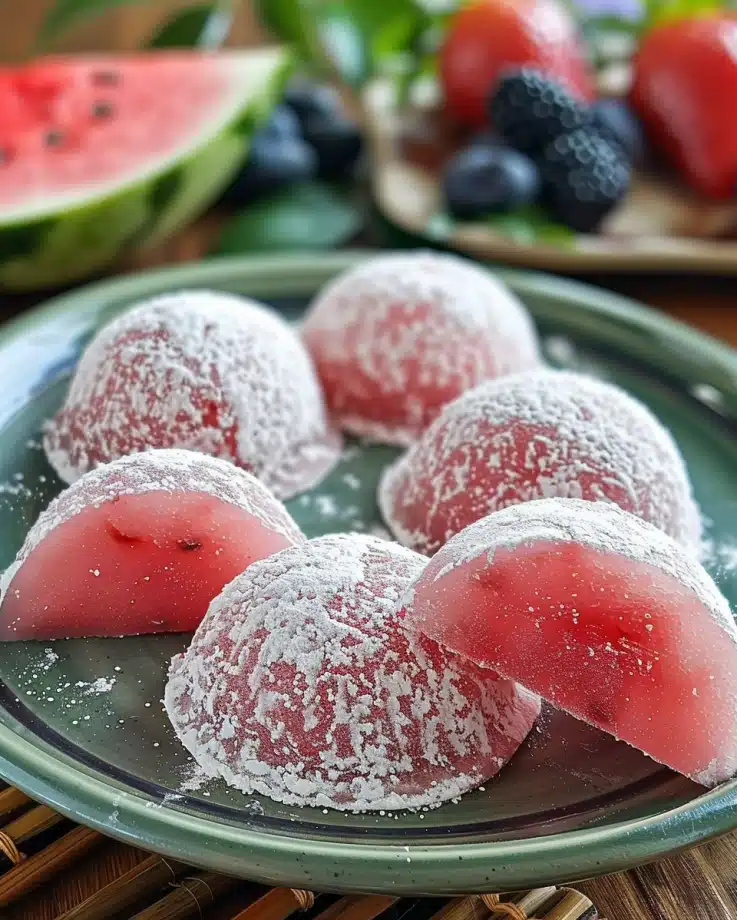
There is truly nothing like the warm, sweet embrace of a freshly baked Pan de Coco, and this Filipino Pan de Coco Recipe will bring a bit of that magic right into your kitchen. Soft, pillowy bread filled with a luscious, mildly sweet coconut filling that’s both comforting and delightfully rich—it’s the kind of treat that makes you want to bake batch after batch. Whether you’re new to Filipino baking or a longtime fan, this recipe balances tradition and simplicity, so you can enjoy authentic pan de coco without any fuss.
Ingredients You’ll Need

To make this soul-satisfying Filipino Pan de Coco Recipe, you’ll find the ingredients surprisingly straightforward but absolutely essential. Each one plays a vital role, from the tender bread’s texture to the creamy, sweet coconut filling.
- Milk (1 cup, warmed to about 110F): Activates the yeast and helps create a soft crumb in the bread.
- Granulated sugar (2 tbsp + ¼ cup): Feeds the yeast and adds the perfect touch of sweetness to balance the richness of the filling.
- Active dry yeast (2¼ tsp): The magic powder that makes your dough rise and become delightfully airy.
- All-purpose flour (3 cups): The backbone of your bread, providing structure and that soft bite we love.
- Salt (½ tsp): Enhances flavor and balances sweetness beautifully.
- Large eggs (2, one room temperature + 1 egg for egg wash): Adds richness and contributes to the golden crust.
- Canola oil (for greasing): Keeps your dough from sticking and adds a slight tenderness to the crust.
- Coconut milk (1 cup): The heart of the filling, bringing authentic Filipino coconut flavor to every bite.
- Unsweetened shredded coconut (1 cup): Provides texture and bursts of coconut goodness inside the filling.
- Brown sugar (½ cup, packed): Imparts a deep caramel sweetness that perfectly complements the coconut.
How to Make Filipino Pan de Coco Recipe
Step 1: Proof the Yeast
Begin by stirring the warm milk, 2 tablespoons of granulated sugar, and active dry yeast together in a small bowl or measuring cup. Then let the mixture sit for about 10 minutes, allowing the yeast to foam up. This foaming means your yeast is alive and ready to give your bread the lovely rise and fluffy texture it deserves.
Step 2: Combine the Dough
Next, mix your proofed yeast mixture with the flour, ¼ cup sugar, salt, and one egg in a large bowl or the bowl of a stand mixer with a dough hook. Stir until a dough forms that sticks together in a ball and becomes smooth and elastic. If it feels overly sticky, gradually add a little more flour, but be careful not to add too much so you retain a soft dough.
Step 3: Shape and First Rise
Lightly grease a bowl with canola oil, place your dough inside, and cover it. Let the dough rise and double in size, which takes about an hour. This wait is worth it because that extra volume means your pan de coco will have the perfect fluffy, cloud-like texture.
Step 4: Prepare the Filling
While your dough is resting, it’s the perfect time to simmer your filling. Bring the coconut milk to a gentle simmer, then dissolve the brown sugar into the milk. Add shredded coconut and salt and cook the mixture over medium heat, stirring often, until it thickens enough to spoon and hold its shape—typically 10 to 15 minutes. This thick filling is what makes pan de coco irresistible.
Step 5: Divide and Fill
After the dough has risen, punch out the air and place it on a lightly oiled surface. Divide the dough into 12 equal pieces. Roll each piece into a ball and flatten to about 2mm thick. Place a generous tablespoon of the coconut filling in the center of each, then carefully fold the dough over and pinch the edges to seal. Give each bun a little reshaping to keep it neat and tidy.
Step 6: Second Rise
Arrange your filled dough balls seam-side down on a greased 9×13 inch pan and allow them to rise again for about 30 minutes. This step ensures your buns will be wonderfully soft and airy once baked.
Step 7: Bake to Golden Perfection
Preheat your oven to 350 degrees Fahrenheit. Before baking, brush each bun with an egg wash made from one beaten egg and a tablespoon of water to give them a gorgeous shiny, golden-brown finish. Bake for about 20 minutes, until the tops are perfectly golden. Serve warm to fully enjoy that molten coconut filling inside a tender bread shell.
How to Serve Filipino Pan de Coco Recipe

Garnishes
While this Filipino Pan de Coco Recipe is perfect all on its own, a light dusting of powdered sugar or a sprinkle of shredded coconut on top after baking adds an extra touch of charm and sweetness that guests will adore. You can also brush with melted butter right out of the oven for a richer finish.
Side Dishes
Pan de coco pairs beautifully with a simple cup of coffee, hot chocolate, or warm tea, making it an excellent choice for breakfast or merienda (snack time). If you want to turn it into a heartier meal, serve alongside fresh tropical fruits like mangoes or banana slices for a refreshing contrast.
Creative Ways to Present
Try placing your pan de coco in decorative paper liners for a charming bakery feel, or create a pan de coco basket by arranging the buns in a round baking pan so they rise into a cozy pull-apart loaf. This makes sharing with family and friends even more fun and inviting.
Make Ahead and Storage
Storing Leftovers
Leftover pan de coco should be kept in an airtight container at room temperature for up to two days. This keeps the bread soft and the coconut filling moist. If you prefer, wrap each bun individually to lock in freshness and prevent drying out.
Freezing
Pan de coco freezes wonderfully! Place buns in a single layer on a baking sheet and flash freeze for a couple of hours before transferring into a zip-top bag or airtight container. This prevents them from sticking together and maintains their shape. Frozen pan de coco can be stored for up to one month.
Reheating
To bring frozen or stored pan de coco back to life, warm them in the oven at 325 degrees Fahrenheit for about 10 minutes or microwave briefly with a damp paper towel to maintain moisture. This reheating method revives the softness and melts the coconut filling to delicious gooeyness once again.
FAQs
Can I use instant yeast instead of active dry yeast?
Yes, you can! Use the same amount of instant yeast, but it’s best to mix it directly with your dry ingredients to avoid activating it separately. You might notice the dough rises a little faster, so keep an eye on it.
Is it okay to use sweetened shredded coconut for the filling?
It’s best to use unsweetened shredded coconut so you have better control over the sweetness. Sweetened coconut can make the filling overly sweet and alter the final taste.
Can I make the dough using a stand mixer?
Absolutely! Using a stand mixer with a dough hook attachment makes kneading easier and faster, helping you achieve that perfect elastic consistency effortlessly.
What’s the best way to tell when the bread is fully baked?
The tops should be a rich golden brown and spring back lightly when touched. Additionally, the pan de coco should sound hollow if you tap the bottom gently.
Can this recipe be doubled or halved?
Yes! This Filipino Pan de Coco Recipe is very flexible. Adjust the ingredients proportionally if you want to make more or less, but larger batches might need longer kneading times and bigger bowls for rising.
Final Thoughts
Baking pan de coco is like creating a warm hug in bread form—soft dough embracing that luscious coconut filling that every bite melts happily in your mouth. This Filipino Pan de Coco Recipe is a joy to make, filled with simple ingredients and steps that lead to delicious results. Invite a little tropical sweetness into your home and give this recipe a try—you’ll find it hard to stop at just one!
PrintFilipino Pan de Coco Recipe

This Filipino Pan de Coco recipe features soft, fluffy bread rolls filled with a rich, sweet coconut filling made from coconut milk, shredded coconut, and brown sugar. Perfect as a snack or dessert, these buns are baked until golden and best enjoyed warm. The recipe involves yeast dough preparation, resting periods for rising, and making a luscious coconut filling to complement the bread.
- Prep Time: 15 minutes
- Cook Time: 20 minutes
- Total Time: 2 hours 20 minutes
- Yield: 12 servings
- Category: Bread
- Method: Baking
- Cuisine: Filipino
Ingredients
Dough
- 1 cup milk (warmed to about 110°F)
- 2 tbsp granulated sugar
- 2¼ tsp active dry yeast (equivalent to 1 envelope)
- 3 cups all-purpose flour (may need more)
- ¼ cup granulated sugar
- ½ tsp salt
- 1 large egg (room temperature)
- Canola oil (for greasing)
Egg Wash
- 1 large egg
- 1 tbsp water
Pan de Coco Filling
- 1 cup coconut milk
- 1 cup unsweetened shredded coconut
- ½ cup brown sugar (packed)
- ½ tsp salt
Instructions
- Proof Yeast: In a small bowl or measuring cup, combine 1 cup of warm milk (about 110°F), 2 tablespoons granulated sugar, and 2¼ teaspoons active dry yeast. Stir gently and let it sit for about 10 minutes until the mixture becomes foamy and bubbly, indicating the yeast is active.
- Combine Ingredients: In a large mixing bowl or the bowl of a stand mixer fitted with a dough hook, mix the yeast mixture with 3 cups all-purpose flour, ¼ cup granulated sugar, ½ teaspoon salt, and 1 large egg. Stir or mix until the dough forms a stick-together ball and develops a smooth, elastic texture. If the dough is too sticky, gradually add up to ¼ cup more flour, kneading carefully to avoid dryness.
- Shape Dough and First Rise: Remove the dough from the bowl and shape it into a smooth ball. Transfer it into a clean bowl greased lightly with canola oil. Cover the bowl with a damp cloth or plastic wrap and allow it to rise in a warm place until doubled in size, about 1 hour.
- Knead and Portion: After the dough has risen, gently punch down to release the air. Turn the dough onto a lightly oiled surface and knead briefly. Divide the dough into 12 equal portions. Roll each portion into a ball, then flatten each ball to about 2mm thickness.
- Prepare Filling: While the dough rises, make the coconut filling. Heat 1 cup coconut milk in a saucepan over medium heat until it simmers. Stir in ½ cup packed brown sugar until fully dissolved. Add 1 cup unsweetened shredded coconut and ½ teaspoon salt. Continue cooking and stirring on medium heat for 10-15 minutes until the mixture thickens considerably. Set aside to cool before filling the dough.
- Fill Rolls: Place a heaping tablespoon of the cooled coconut filling in the center of each flattened dough piece. Fold the dough over the filling, pinching the edges tightly to seal. Reshape into a smooth ball if necessary.
- Second Rise: Place each filled roll seam side down on a lightly greased 9×13 inch baking pan. Cover and let rise again for about 30 minutes until slightly puffed.
- Preheat Oven and Apply Egg Wash: Preheat your oven to 350°F (175°C). In a small bowl, beat 1 egg with 1 tablespoon water to create an egg wash. Lightly brush the tops of the rolls with the egg wash to give them a shiny, golden finish when baked.
- Bake: Bake the rolls in the preheated oven for approximately 20 minutes, or until the tops turn golden brown. Once baked, remove from the oven and allow to cool slightly before serving. Pan de Coco is best served warm.
Notes
- Use unsweetened shredded coconut for the filling to keep the sweetness balanced and avoid an overly sweet filling.
- Be careful not to burn the coconut filling; stir frequently while thickening it on the stovetop.
- If dough is too sticky during mixing, add flour gradually but avoid adding too much to keep the bread soft.
- Warm milk to about 110°F to activate yeast properly without killing it.
- You can prepare the filling ahead of time and refrigerate it; warm slightly before using to make it easier to fill the dough.